
Artificial Intelligence (AI) has quickly moved from science fiction into our daily lives. Whether you use a smartphone, shop online, stream movies, or ask a virtual assistant a question, chances are you are already interacting with AI. As technology continues to advance, artificial intelligence is expected to become even more integrated into our everyday routines, changing how we live, work, learn, and communicate.

AI refers to computer systems that can perform tasks typically requiring human intelligence, such as learning, problem-solving, recognizing patterns, and making decisions. While many people associate AI with robots, its most significant impact is happening behind the scenes through software and smart devices.
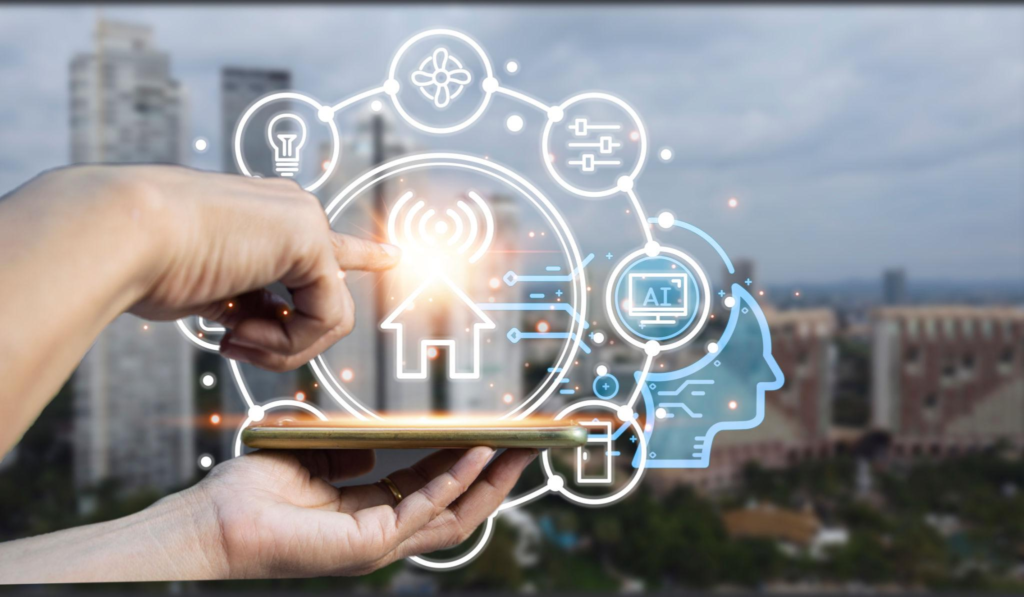
One of the most noticeable ways AI is transforming daily life is through smart home technology. Devices such as smart speakers, thermostats, security cameras, and lighting systems use AI to learn user preferences and automate routine tasks. Imagine waking up in the morning to a home that automatically adjusts the temperature, turns on the lights, and prepares your favorite playlist. These conveniences are becoming increasingly common and are expected to become even more sophisticated in the future.
Healthcare is another field experiencing major changes due to artificial intelligence. AI-powered tools can analyze large amounts of medical data in seconds, helping healthcare professionals detect diseases earlier and make more accurate diagnoses. Wearable devices such as fitness trackers and smartwatches can monitor heart rate, sleep quality, and physical activity, providing valuable insights into personal health. In the coming years, AI could enable highly personalized healthcare plans tailored to each individual’s unique needs.
Education is also benefiting from advancements in artificial intelligence. Modern learning platforms use AI to customize lessons based on a student’s strengths and weaknesses. Instead of following the same curriculum at the same pace, students can receive personalized guidance and support. This approach helps learners stay engaged and improves overall educational outcomes. AI can also assist teachers by automating administrative tasks and providing insights into student performance.
The workplace is undergoing significant transformation as businesses adopt AI-powered solutions to improve efficiency and productivity. Many routine and repetitive tasks can now be automated, allowing employees to focus on more creative and strategic responsibilities. Customer service chatbots, data analysis tools, and intelligent scheduling systems are just a few examples of how AI is helping organizations operate more effectively.
Transportation is another area where AI is making a substantial impact. Navigation apps use artificial intelligence to analyze traffic conditions and recommend the fastest routes. Self-driving vehicle technology is also advancing rapidly, with the potential to improve road safety and reduce traffic congestion in the future.
Despite its many benefits, artificial intelligence also presents challenges. Concerns about privacy, data security, and ethical use of AI continue to be important topics of discussion. Governments, businesses, and technology experts must work together to ensure AI is developed responsibly and used in ways that benefit society.
Looking ahead, the future of artificial intelligence appears incredibly promising. From smarter homes and personalized healthcare to advanced education and more efficient workplaces, AI has the potential to improve countless aspects of daily life. As these technologies continue to evolve, people who understand and embrace AI will be better prepared for the opportunities and changes that lie ahead.
Artificial intelligence is no longer a distant concept—it is already shaping the world around us. The coming years will likely bring even more innovations that make life more convenient, productive, and connected than ever before.
Leave a Reply